


Home Blog

The Pinnacle of Performance: Canik TTI Combat Engineering Review

0

In the world of defense and competitive shooting, some collaborations are more than just branding – they are a statement of engineering. Born from the partnership between Canik and Taran Tactical Innovations (TTI), the Canik TTI Combat isn’t just raising the bar for polymer-frame pistols; it’s rewriting the rules of the game.

1. Design Philosophy: Harmony of Speed and Precision

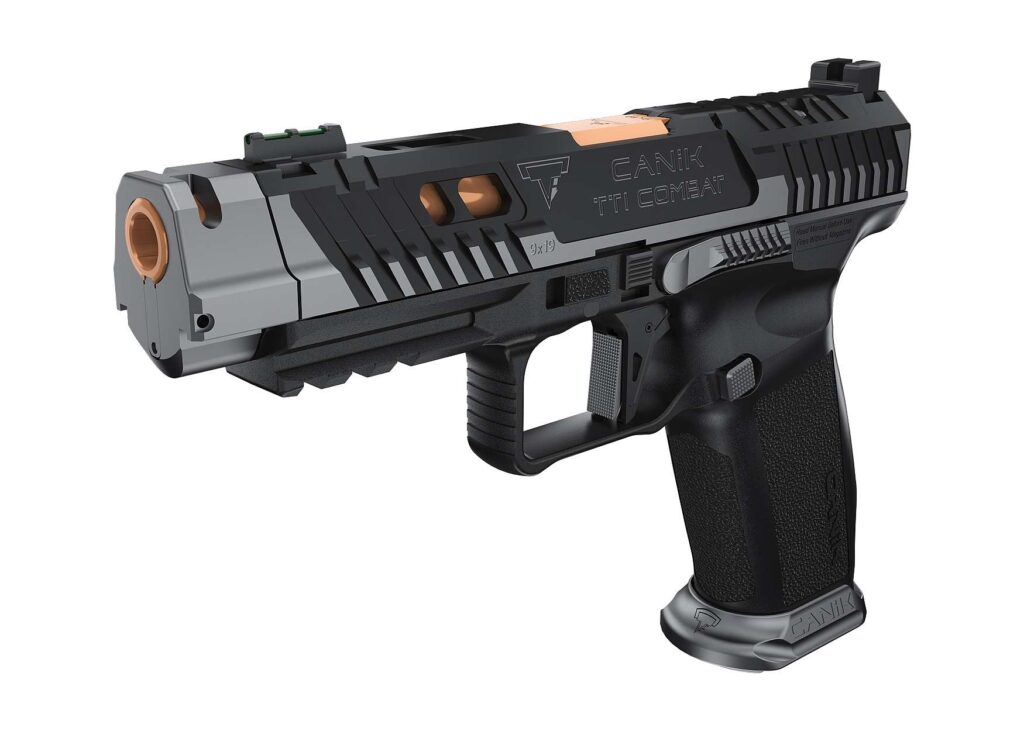
While the TTI Combat immediately grabs attention with Taran Butler’s iconic design language – aggressive textures and bronze hues – the real magic lies in the details. Canik’s newly refined polymer frame offers ergonomics that lock into the shooter’s hand, designed to minimize muzzle flip and maximize comfort.

TechnIcal InsIght: The aggressIve “stIpplIng” on the frame Is optImIzed for maxImum control, ensurIng a rock-solId grIp even In wet or hIgh-stress condItIons.
2. Revolutionary Compensator System

Unlike many aftermarket solutions, the TTI Combat’s compensator is seamlessly integrated into the slide line.

  • The Advantage: It dramatically reduces muzzle rise, cutting down the time needed to return to the sight picture for follow-up shots.
  • Maintenance: Its tool-less takedown mechanism offers a significant operational advantage for the user in the field.

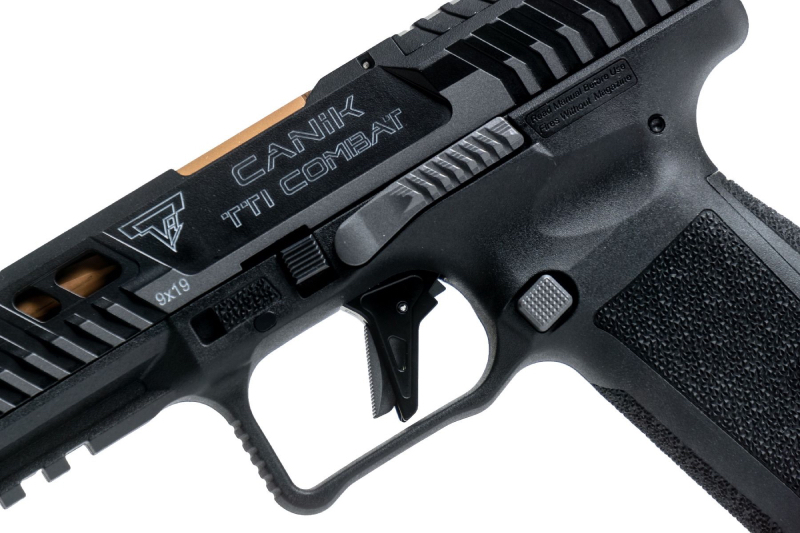
3. The Trigger: “Flat-Faced” Perfection

Canik’s award-winning trigger systems have reached a new milestone with the TTI Combat. The diamond-cut (flat-faced) trigger design features an incredibly short reset. This provides a mechanical edge in both competitive stages and defensive scenarios.
4. Optics Ready Infrastructure

A must-have for the modern battlefield, the TTI Combat features a low-profile optics interface compatible with almost all “Micro Red-Dot” systems on the market. The ability to “co-witness” with mechanical sights ensures reliability even if your electronics fail.


BallistiX Verdict

The Canik TTI Combat is more than a collector’s piece; it is the result of rigorous engineering discipline. With its price-to-performance ratio and the professional accessories included in the box, it is set to challenge global giants like Glock and SIG Sauer.
KAAN: Analyzing Turkey’s Strategic Inflection Point in the 5th Gen Fighter Geometry

0

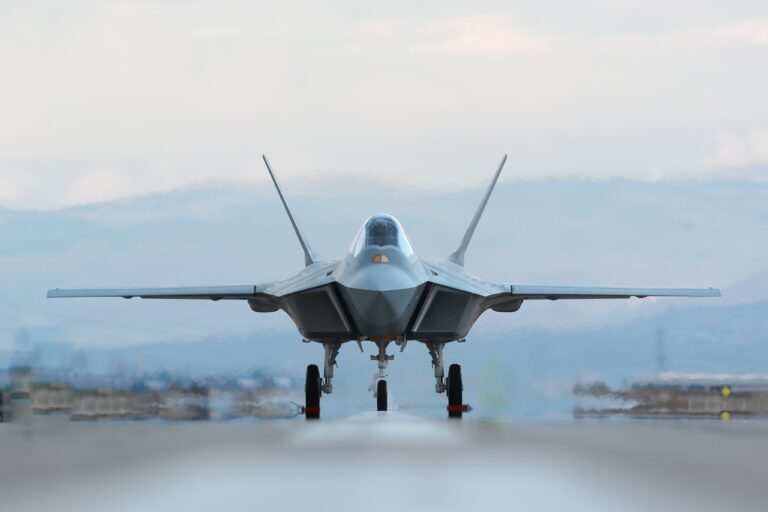
Turkey’s most ambitious aerospace project, KAAN (National Combat Aircraft), is not merely a platform replacement; it is the Turkish Defense Industry’s ticket to the global “Champions League.” At BallistiX Media, we dissect the technical layers and geopolitical implications of this platform, which is set to redefine the aerial warfare of the 2030s.

1. Stealth Engineering: Low Observability (VLO) and Aerodynamics

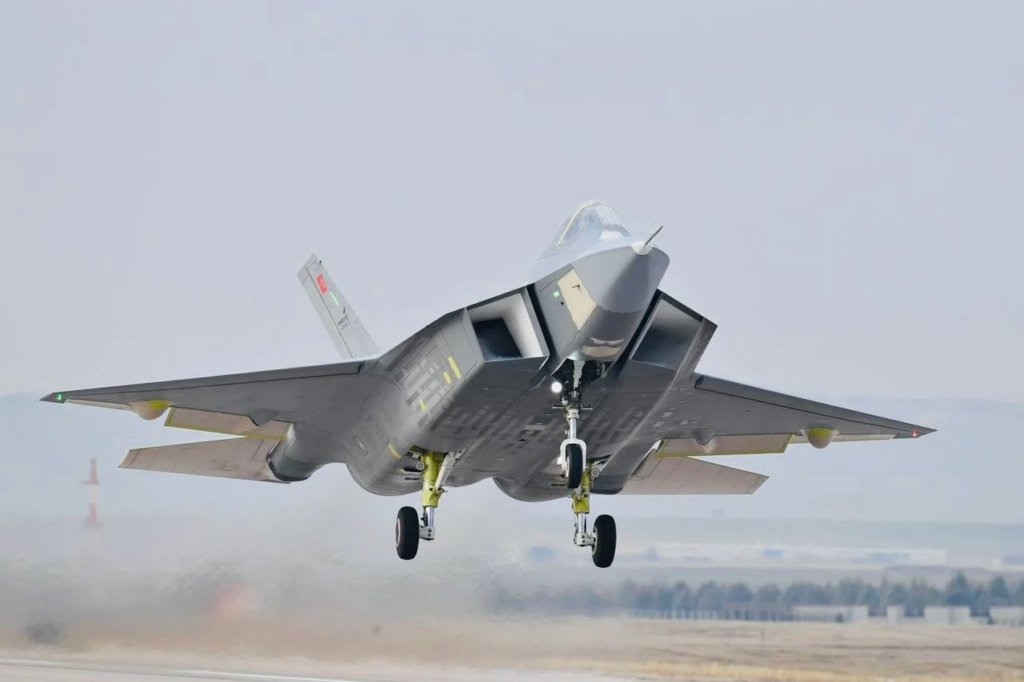
A 5th generation fighter is defined by its ability to remain invisible. KAAN has been engineered to meet stringent Low Observability (VLO) criteria. Its internal weapon bays, optimized “S-duct” air intakes, and advanced Radar Absorbent Materials (RAM) minimize its Radar Cross Section (RCS). This ensures KAAN possesses the “first look, first shot” advantage against high-end threats in contested airspaces.

2. Digital Cockpit and Sensor Fusion

The “brain” of KAAN is equipped with an Integrated Avionics Suite developed by ASELSAN. The primary differentiator of 5th gen fighters is “Sensor Fusion,” which comes to life in KAAN through several critical components:

  • MURAD AESA Radar: Based on Gallium Nitride (GaN) technology, this radar can track dozens of targets simultaneously while providing superior Electronic Counter-Countermeasures (ECCM).
  • IRST (Infrared Search and Track): Allows the aircraft to detect enemy heat signatures while remaining in “silent/stealth” mode without emitting radar waves.
  • EOTS (Electro-Optical Targeting System): Provides high-resolution scanning for both air and ground targets.

3. Technical Specifications Table

The following table highlights the operational capacity of KAAN:

FeatureDetail
Maximum Speed1.8 Mach
Service Ceiling55,000 Feet
G-Limits+9g / -3.5g
Wingspan14 Meters
Length21 Meters
Engine Type2 x 29,000 lb thrust (F110 – Future Indigenous Engine)

4. Twin-Engine Configuration and Supercruise

Unlike single-engine platforms such as the F-35, KAAN utilizes a twin-engine configuration for enhanced operational redundancy and immense thrust. While currently powered by F110 engines, the roadmap toward an indigenous powerplant will grant KAAN Supercruise capability—the ability to sustain supersonic speeds without the use of afterburners. This feature significantly reduces the aircraft’s thermal signature and increases its mission radius.

5. BallistiX Perspective: The New Air Power Doctrine

KAAN is more than just a fighter jet; it is a “Battle Manager.” Under the Loyal Wingman concept, it is designed to operate in tandem with unmanned systems like ANKA-3 and KIZILELMA.

The strategic balance in the Mediterranean and the Aegean will be permanently altered as Turkey integrates this platform with its native munition ecosystem (Gökdoğan, Bozdoğan, SOM-J, Çakır). At BallistiX Media, we project that KAAN will emerge not only as a cornerstone of Turkish security but also as a premier high-end defense alternative for allied nations by the 2030s.